
Exercise for peripheral artery disease (PAD)
Your doctor has recommended exercise. The right exercise, guided by experts, can help you walk further and move with more confidence. Learn how we can help you get started.
Book consultWhy exercise for PAD?
PAD occurs when the arteries in your legs narrow, so your muscles don't get the blood flow they need. This can cause pain, cramping or tiredness when you walk (claudication), but the right exercise can help. Clinical guidelines recommend exercise as part of the first treatment for PAD.
The benefits
Walk further, with less pain
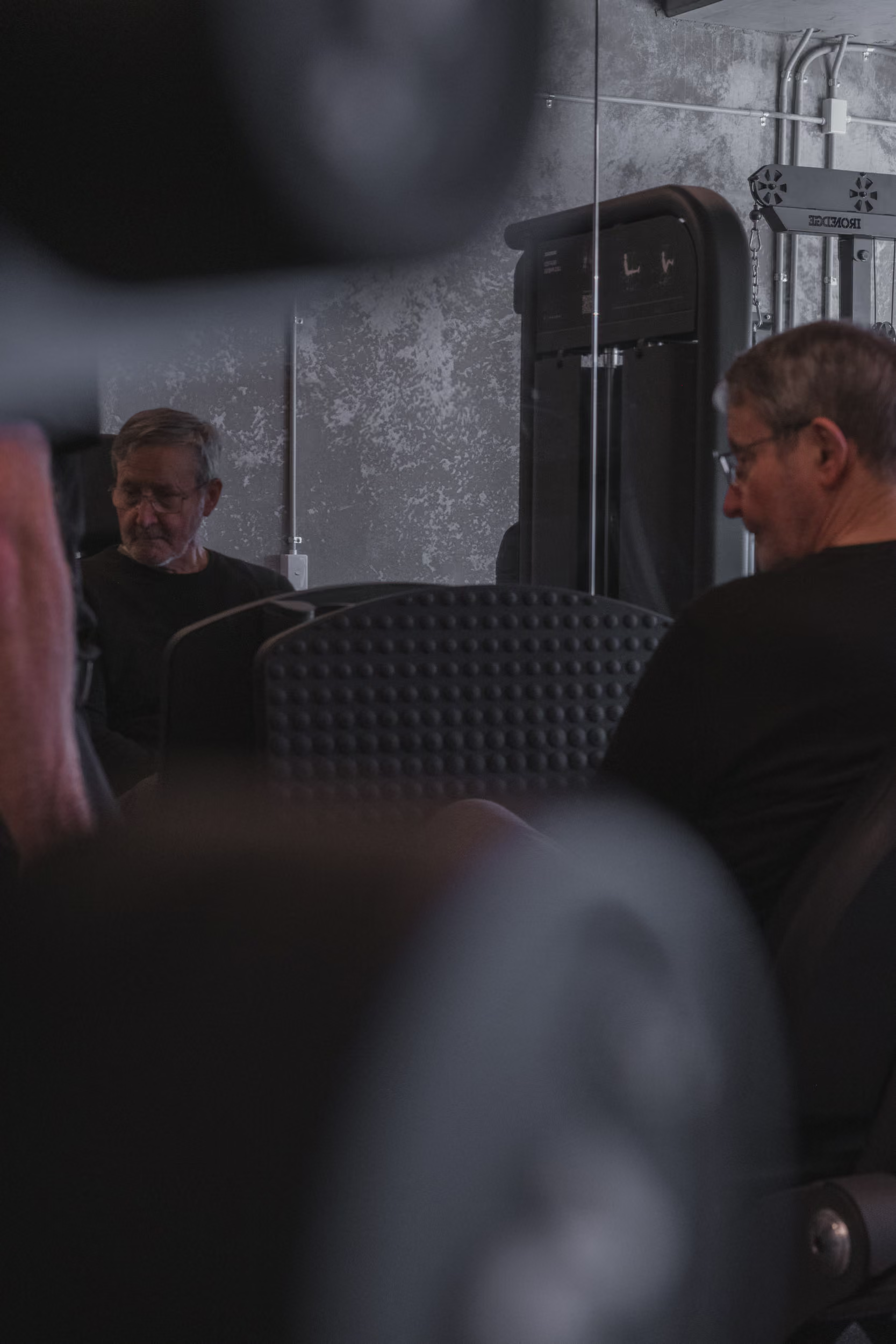
Research shows exercise improves walking distance and eases claudication pain. It builds stronger, more resilient legs, helps protect your heart, and keeps everyday activities like shopping, stairs and outings easier.
Who we are
Exercise specialists for heart and circulation
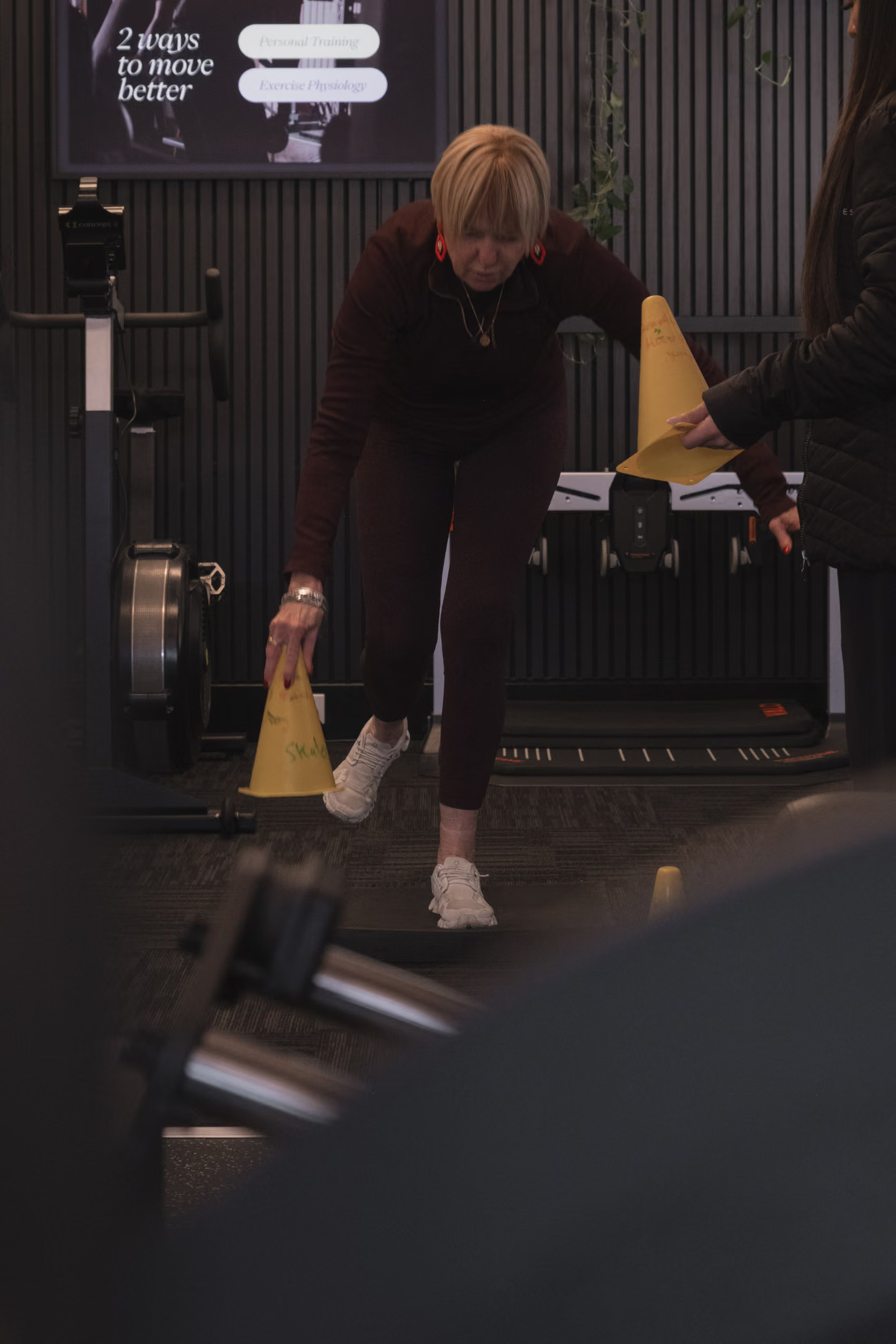
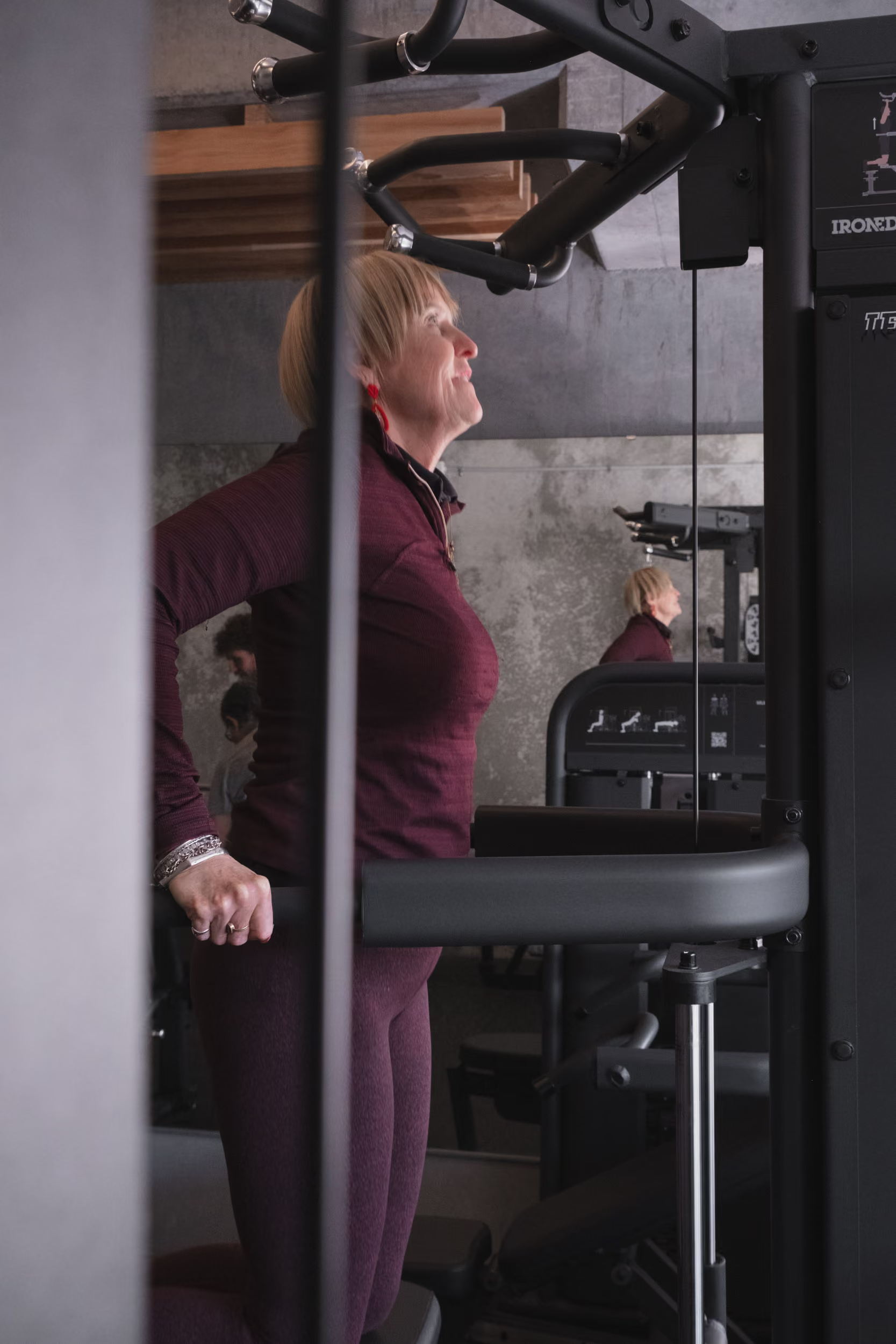
Our accredited Exercise Physiologists are the professionals recommended to supervise exercise for PAD. We understand how PAD affects your legs, your heart and your day to day, in a friendly space where no exercise experience is needed.
What to expect
Not guesswork. A program built around you.
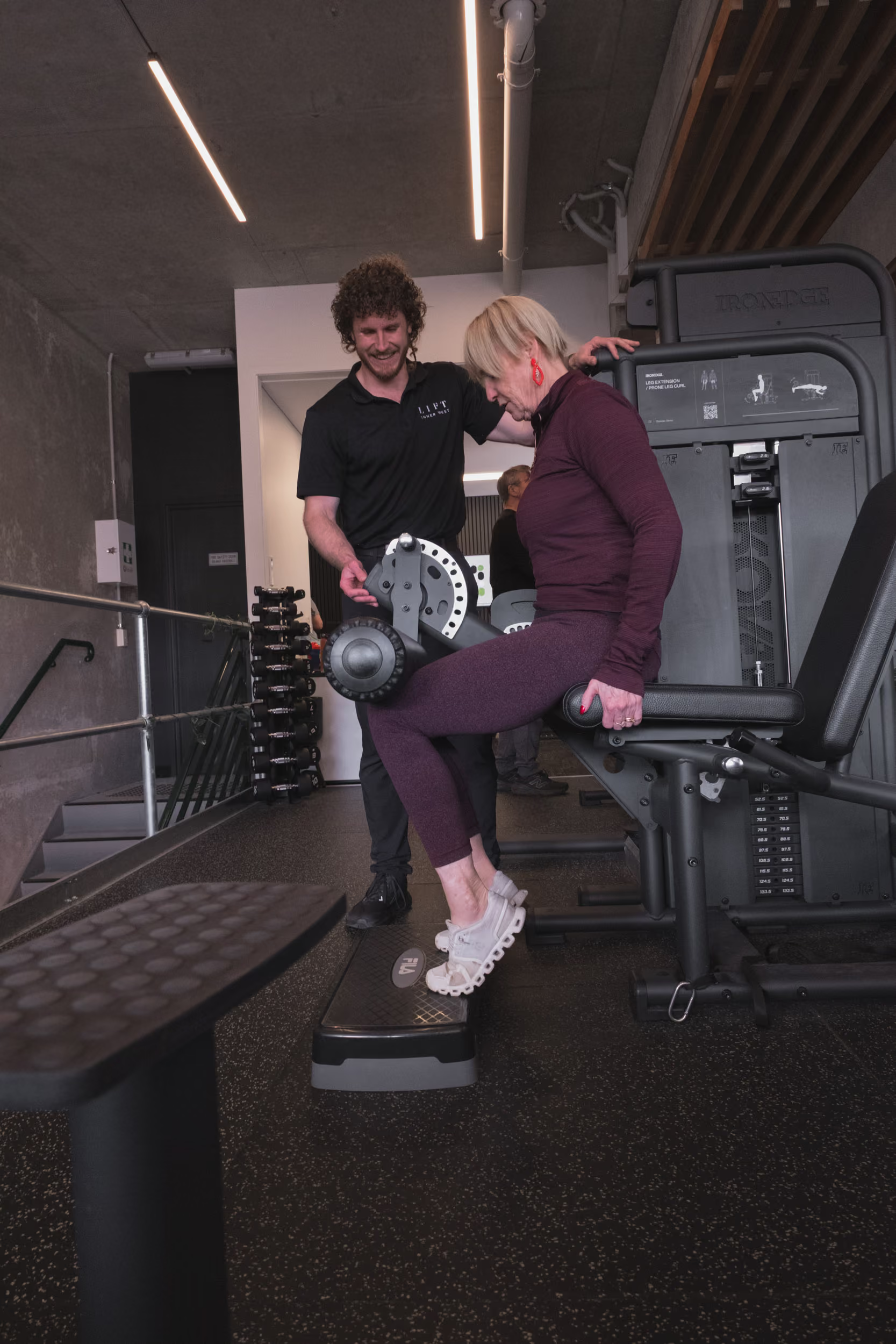
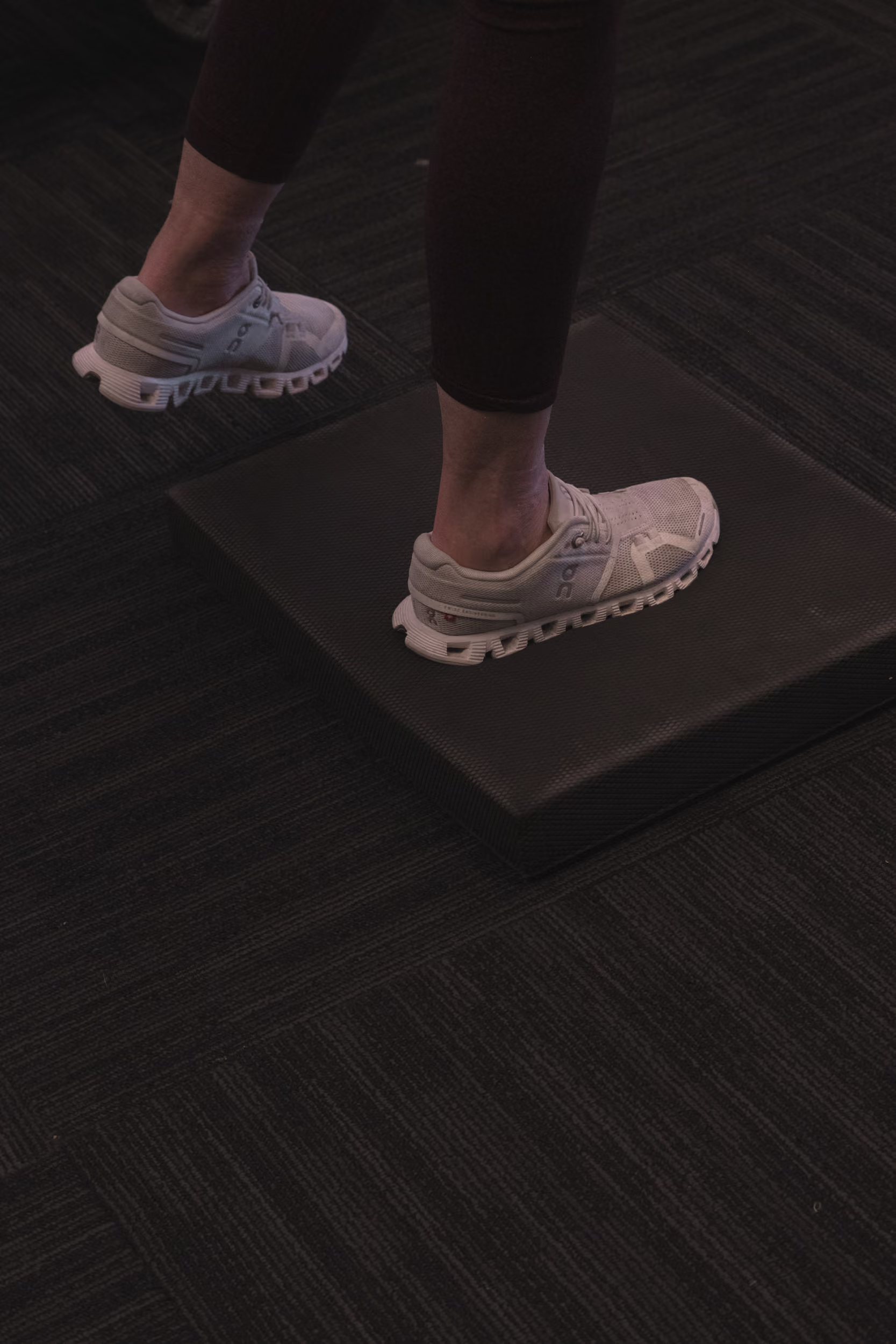
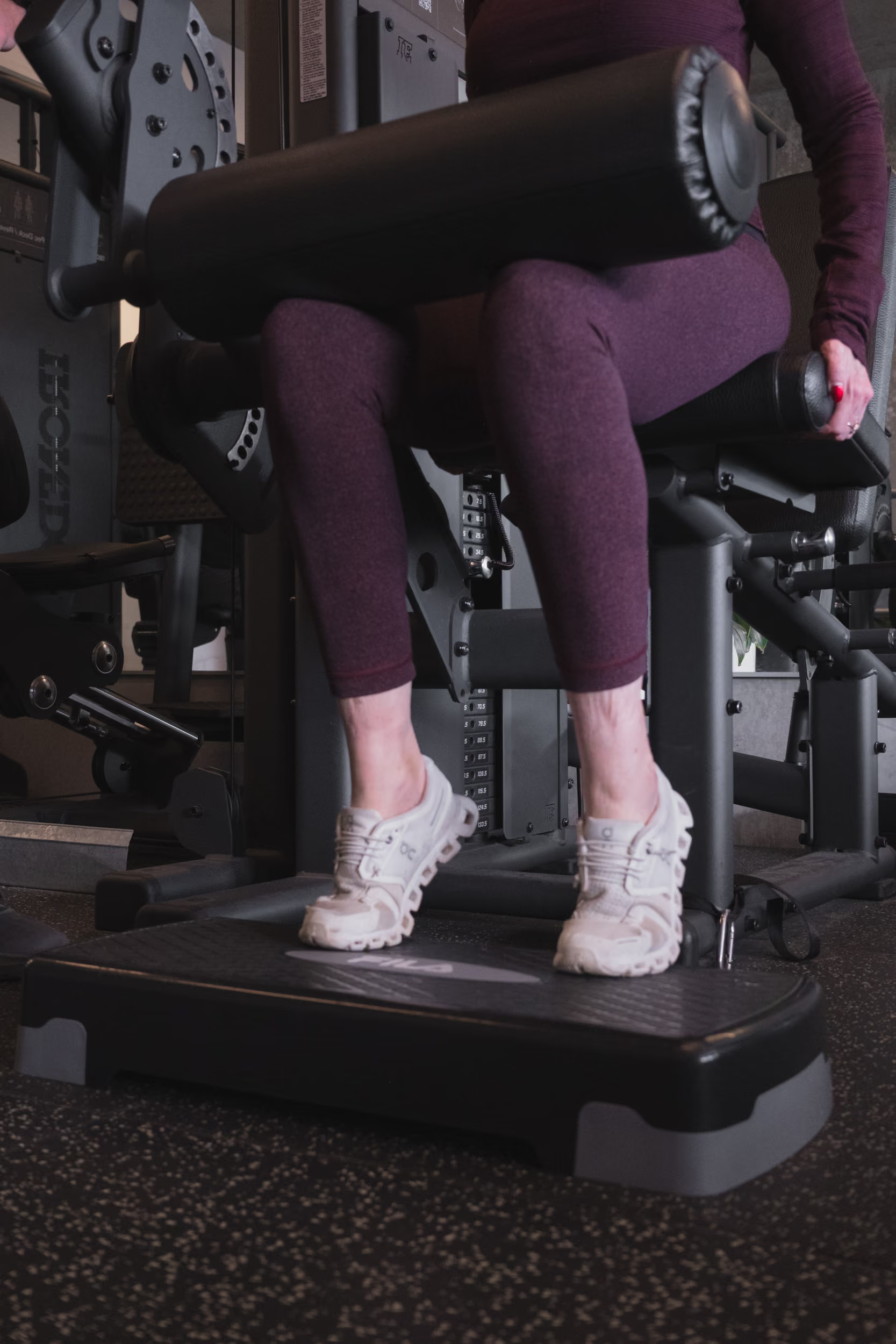
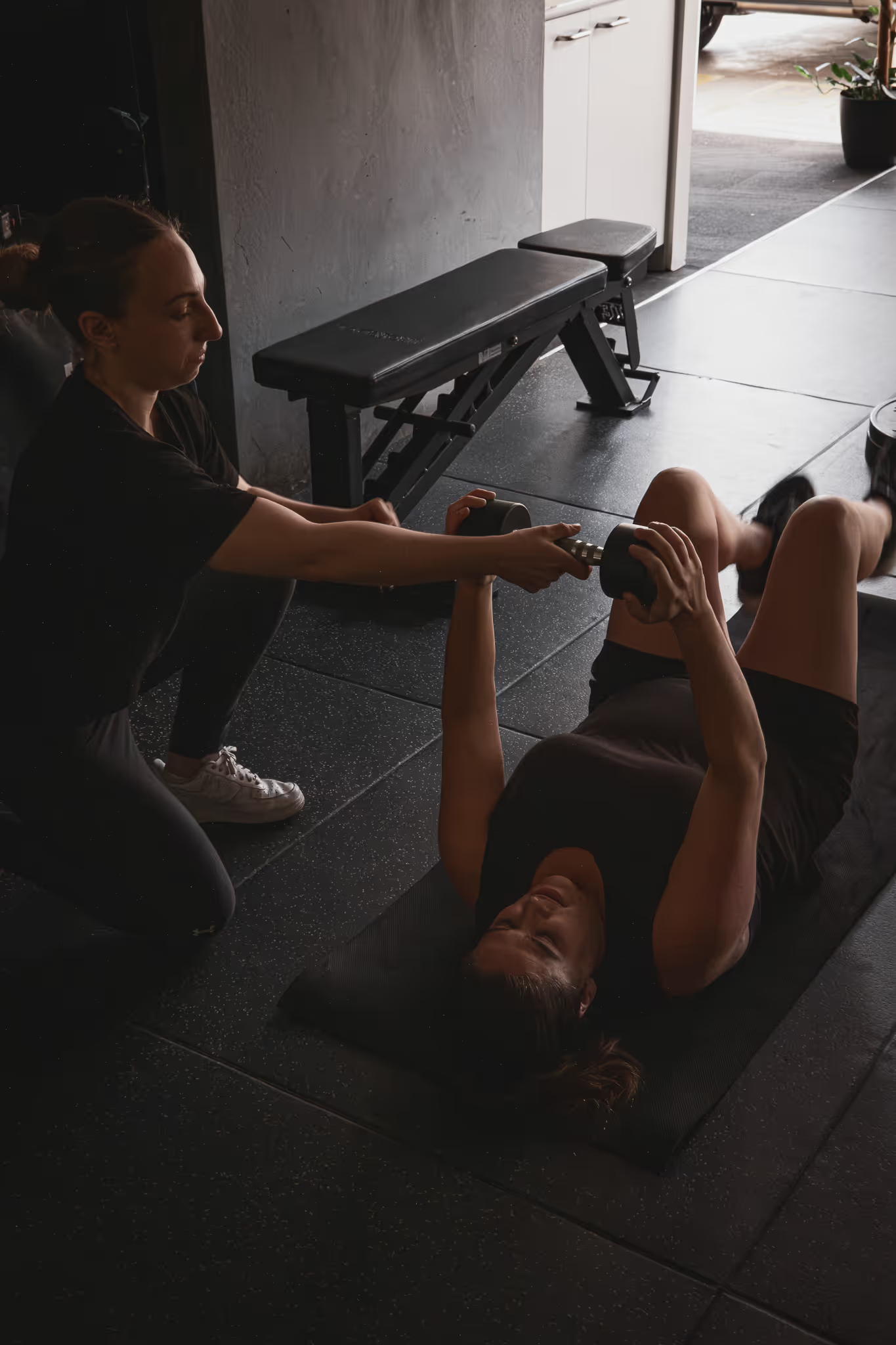
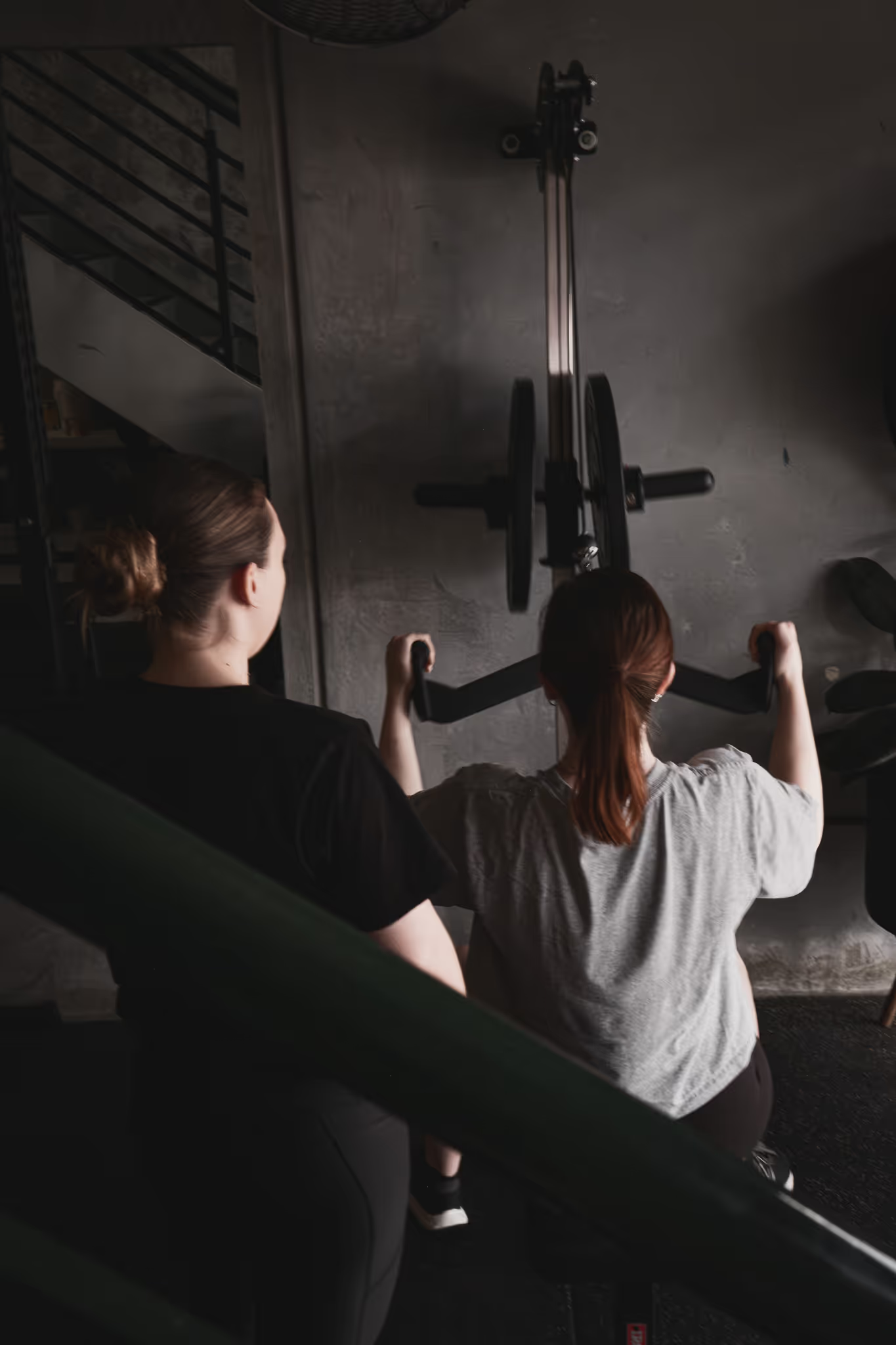
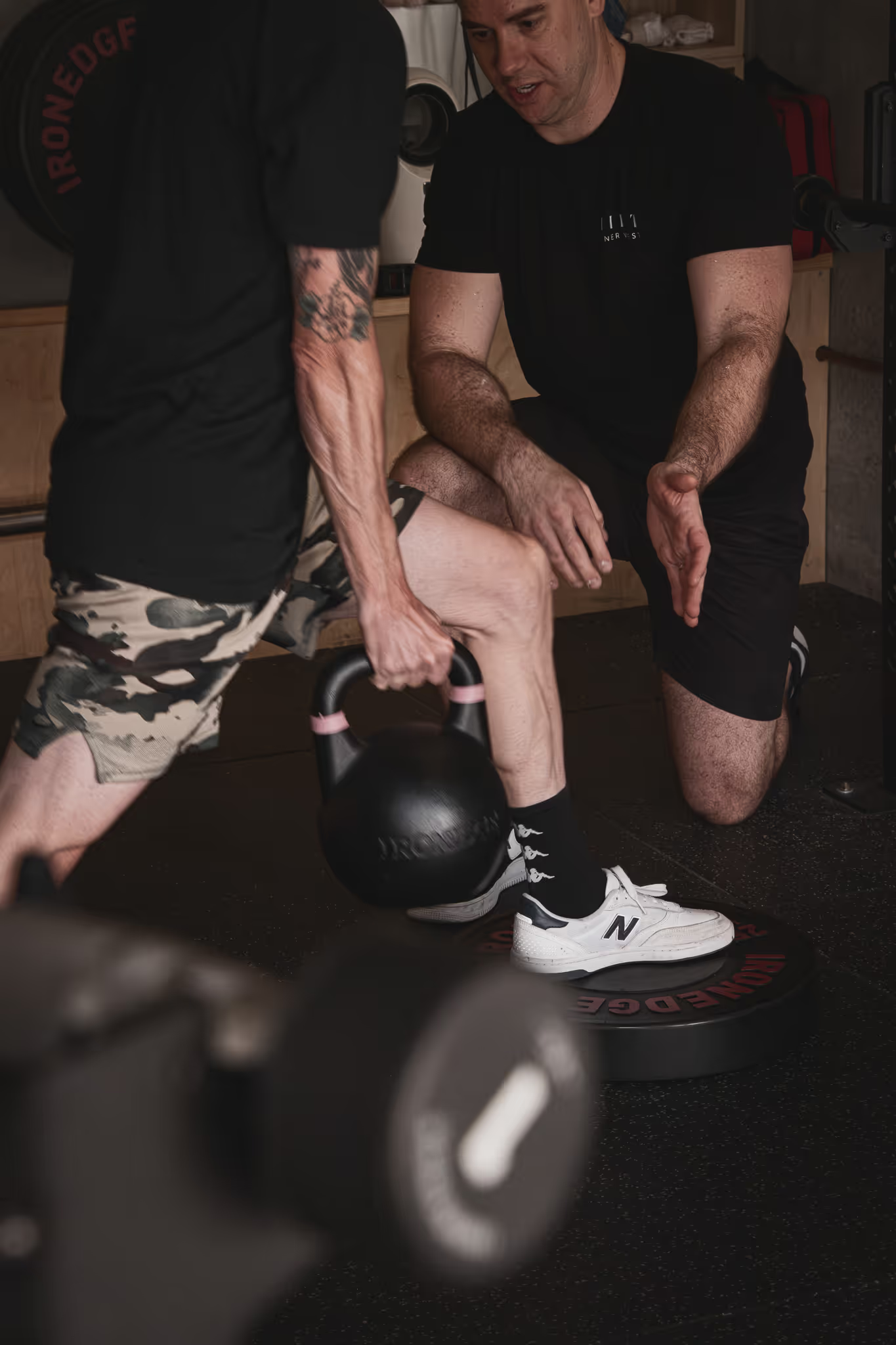
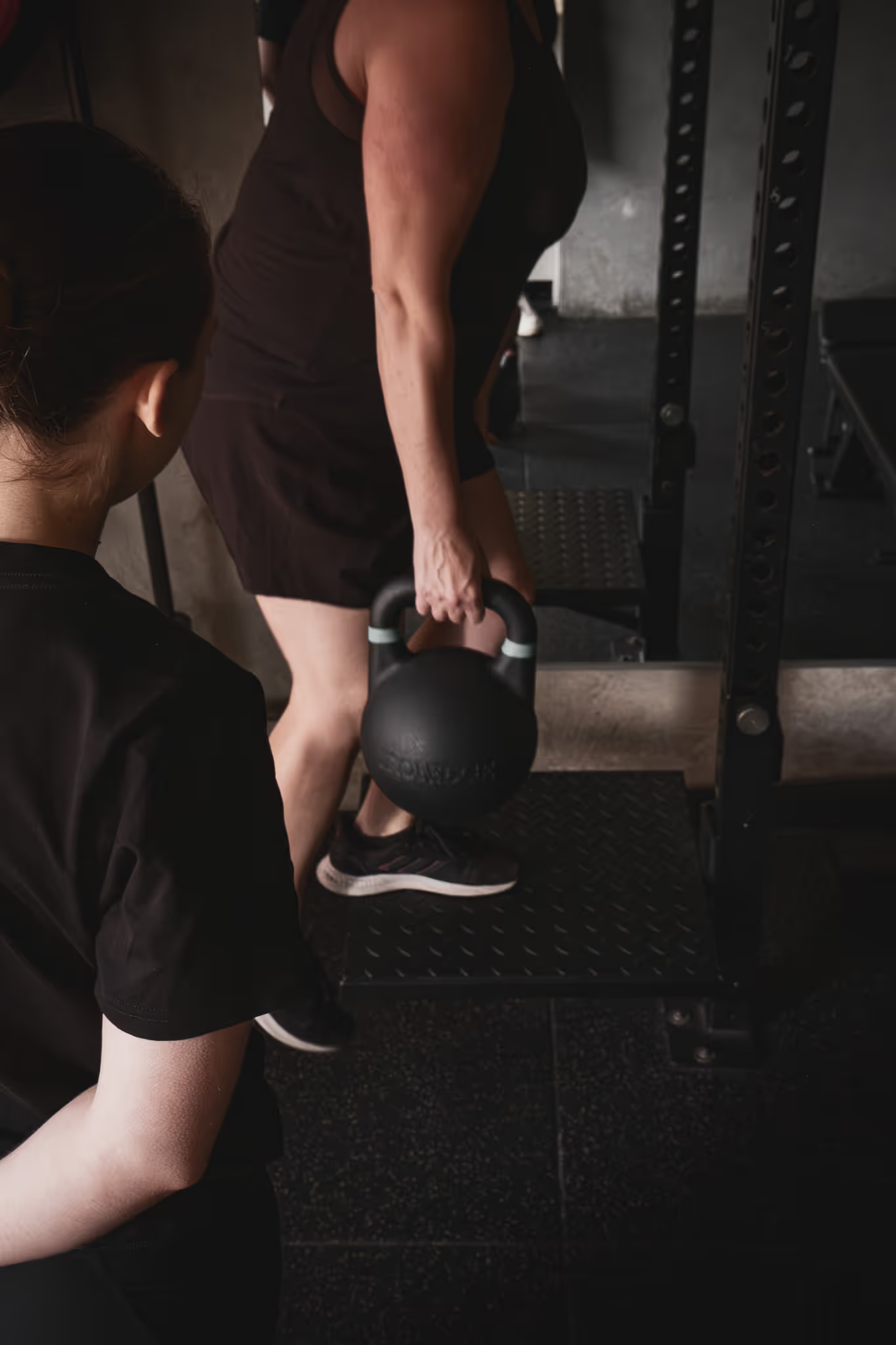
We start with an initial assessment of your health history, symptoms, walking ability and goals. Then you train in supervised 1:1 or small group sessions, with regular reassessments so you can see your progress and we can adjust as you improve.
Cost & rebates
Medicare and private health options
Ask your GP about a Chronic Condition Management Plan (CCMP), which may provide a Medicare rebate towards some of your sessions.
Many extras policies also cover Exercise Physiology. Check with your health fund for coverage.
Why supervised?
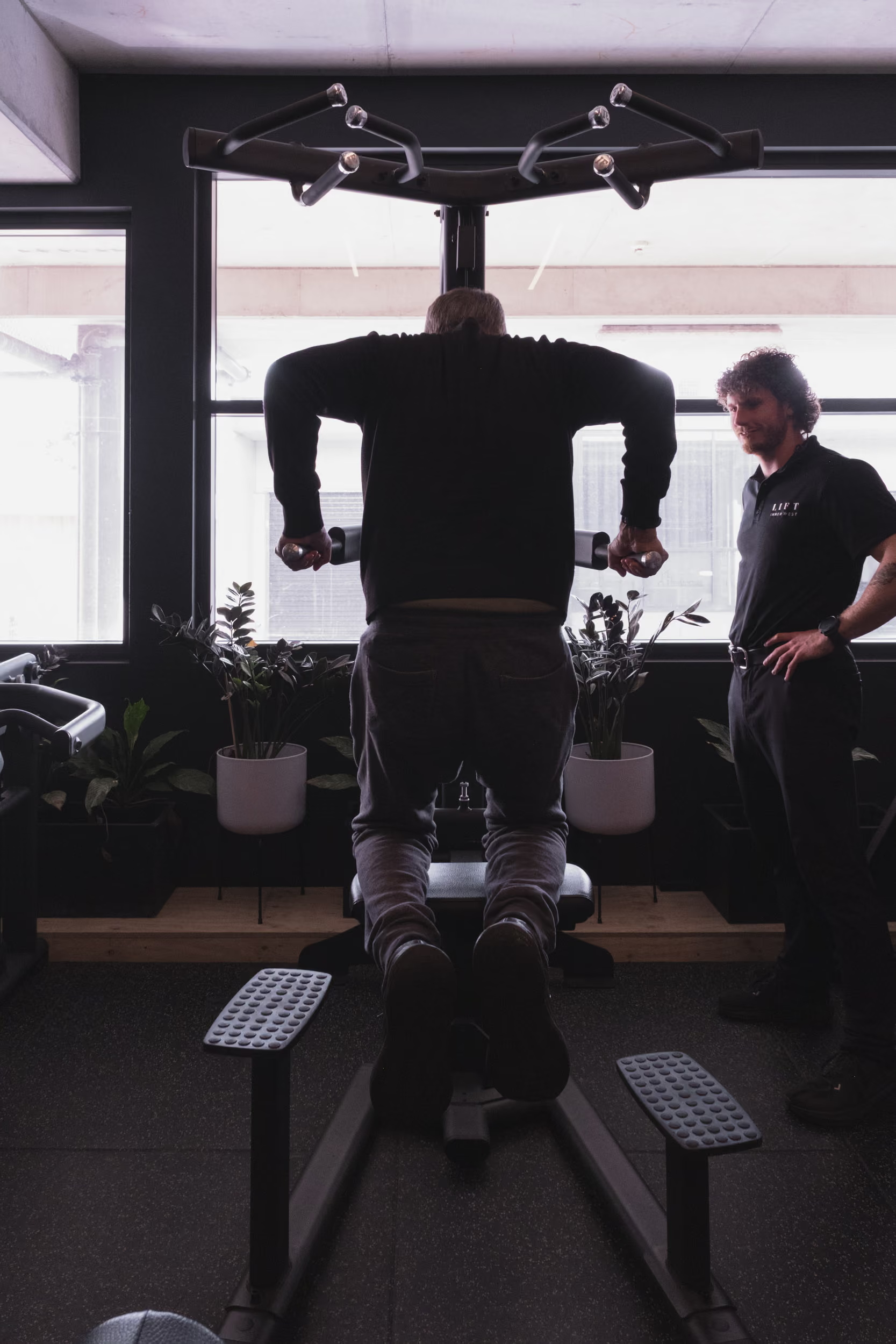
Guidelines recommend supervised exercise, led by an accredited EP, so your progress is monitored and your program is progressed properly. Supervised exercise for PAD has a very low rate of adverse events.

Your next step
Exercise is one of the most useful things you can do for PAD, and you don't have to figure it out alone. We'll work out what's right for you and build up at a pace that feels manageable.
Not just any exercise, though. Guidelines recommend walking in combination with strength training, and how much and how hard to push is different for everyone. If your doctor has recommended exercise, book an initial assessment with one of our Exercise Physiologists and bring your CCMP if you have one.
A studio for calm training
12/76B Edinburgh Rd,
Marrickville NSW 2204
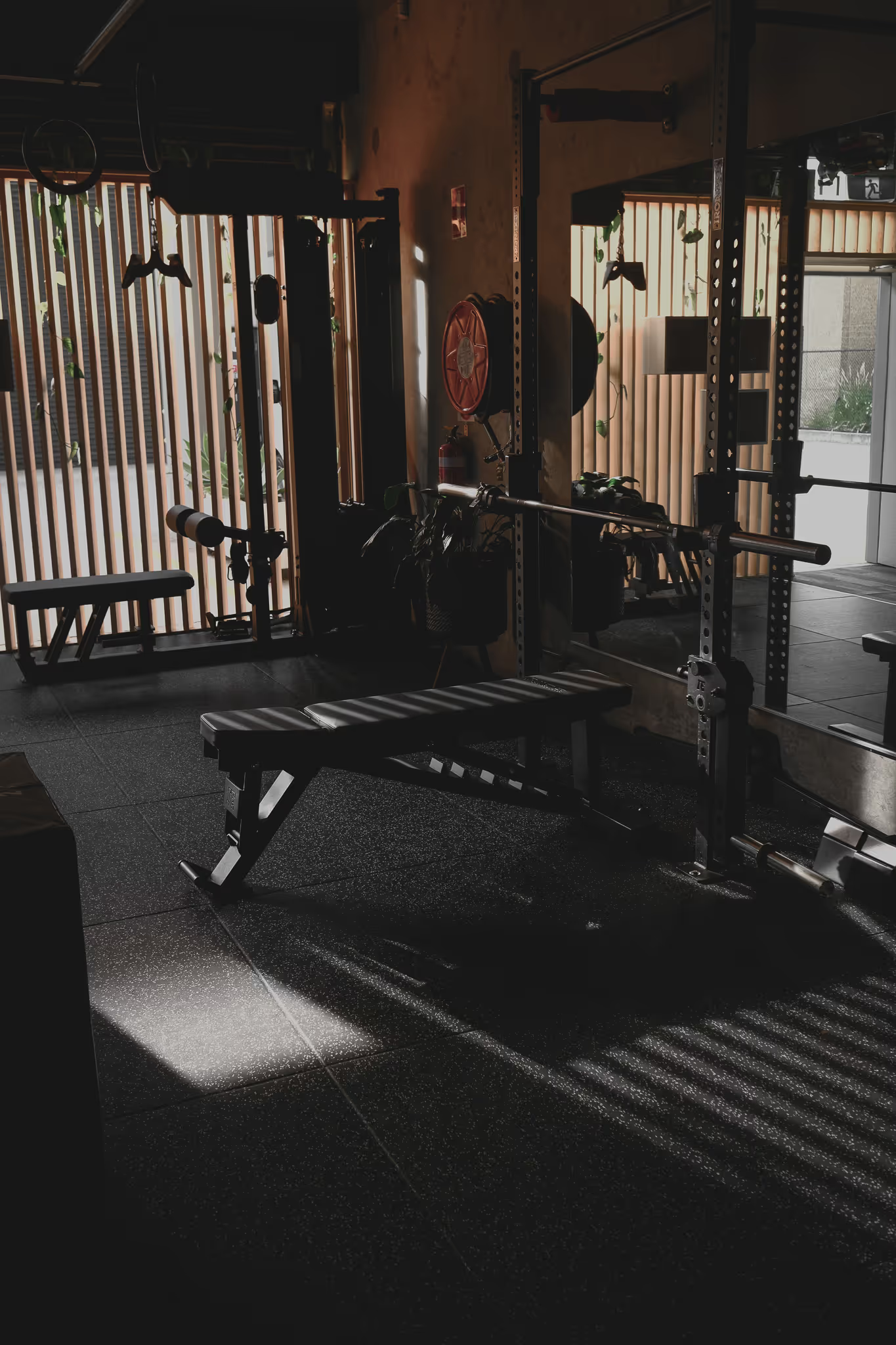
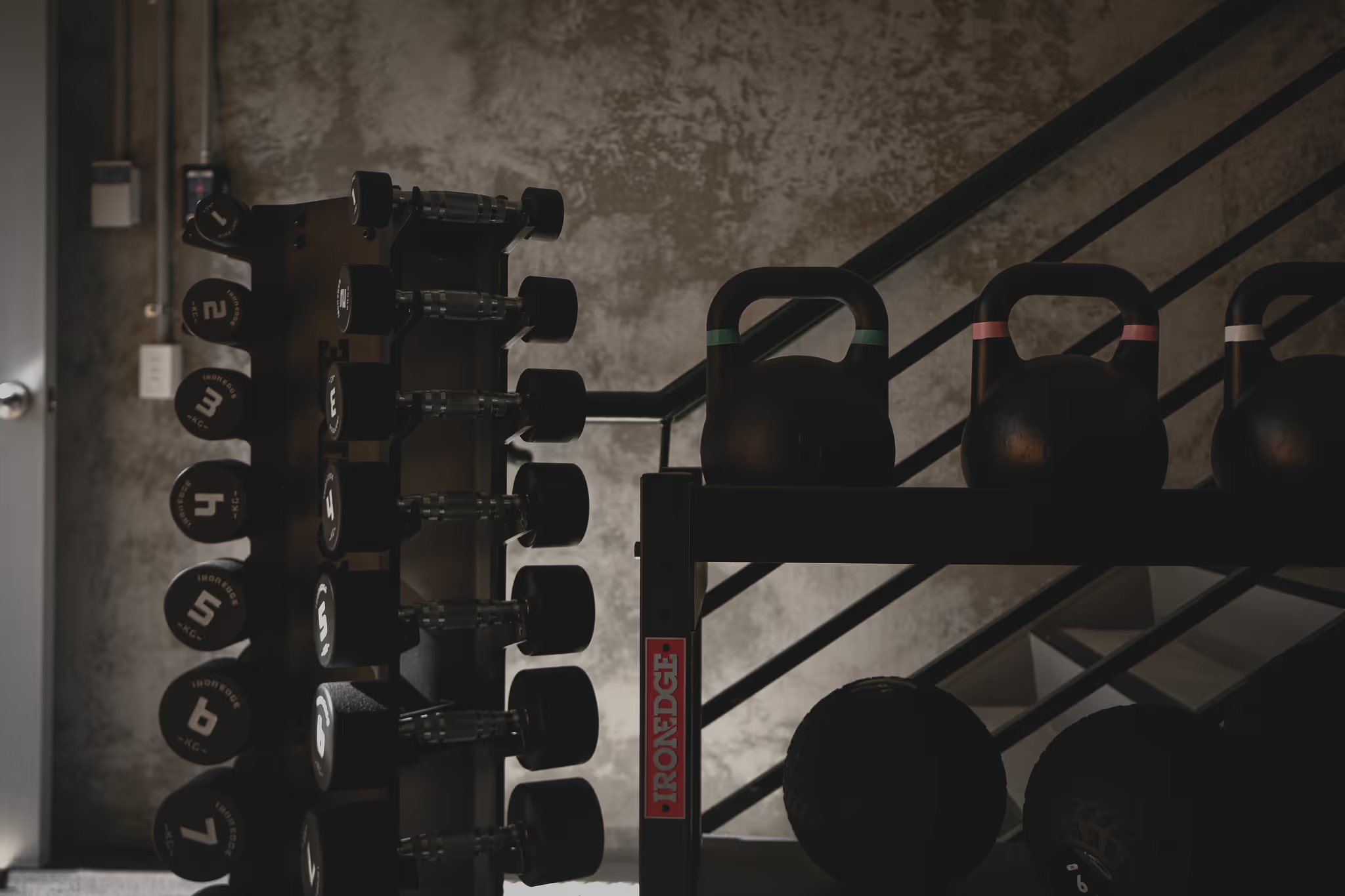
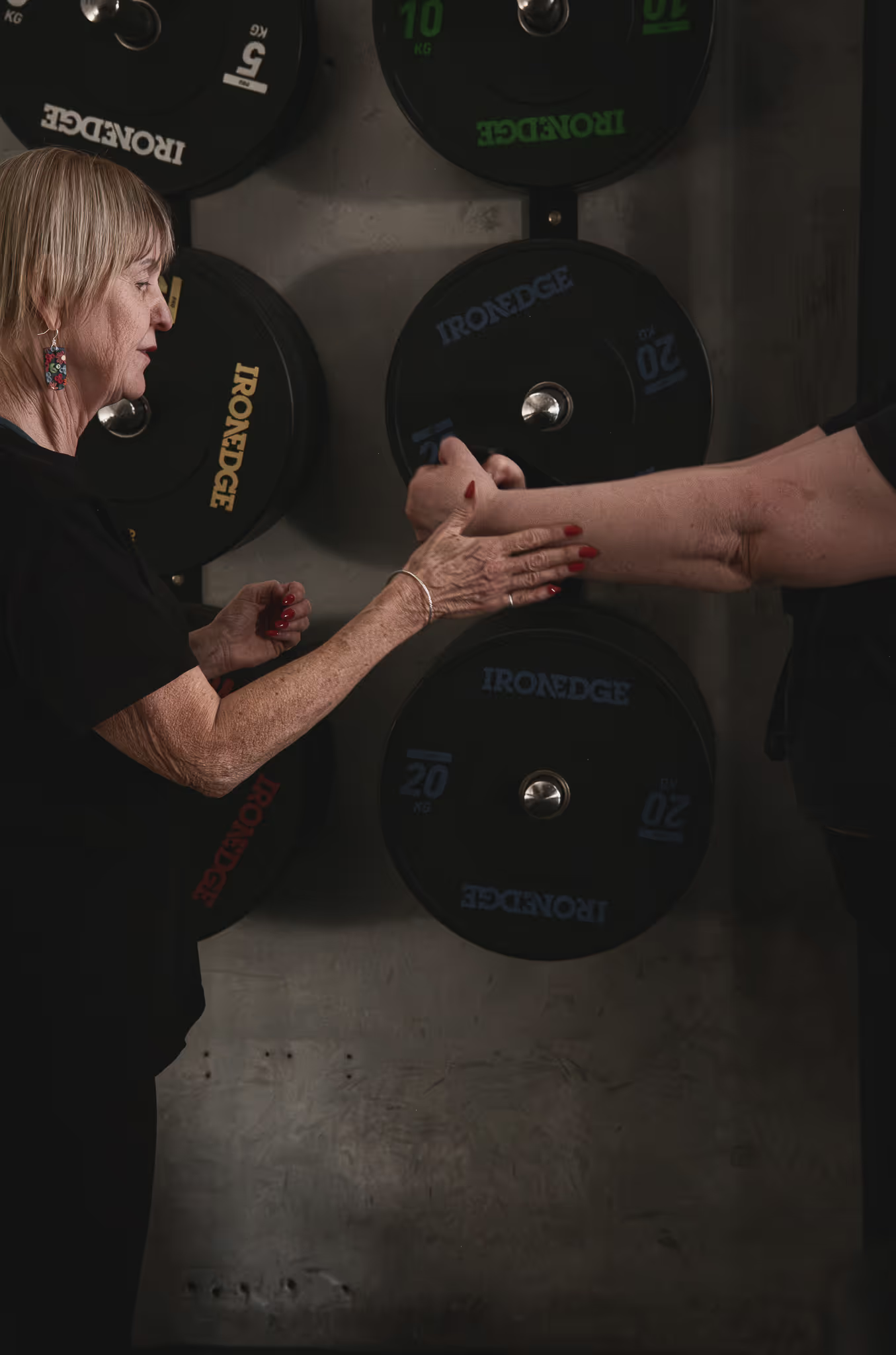
View MapNo queues for equipment. No distractions. Just you, your EP, and the tools you need to get back to your best. Our Marrickville studio is purpose-built for focused, one-on-one exercise sessions.
Common Questions
Filter by topic or search for a keyword. Can't find your answer? Get in touch below.
GET STARTED
Book a consult
A free phone call is the easiest first step.
We'll talk through where you're at, what you're working towards, and whether a personal trainer or an exercise physiologist is the right fit.
No pressure, no commitment.
— Free initial phone call
— No lock-in contracts
— Medicare, DVA & NDIS eligible
Still have questions?
Questions about
Personal Training?
Questions about
Exercise Physiology?