
Exercise and GLP-1 medications
Medications like Ozempic, Wegovy and Mounjaro can help you lose weight. The right exercise helps make sure what you lose is fat, not the muscle and strength you need for the years ahead.
Book consultWhat are GLP-1 medications?
GLP-1 medications mimic a natural hormone that helps regulate appetite, fullness and blood sugar. You feel full sooner and eat less, which is why many people lose significant weight. They can also bring heart health benefits. But eating less makes it harder to get enough protein and nutrients, and weight loss from any method can include muscle as well as fat.
The hidden cost
Losing weight shouldn't mean losing muscle
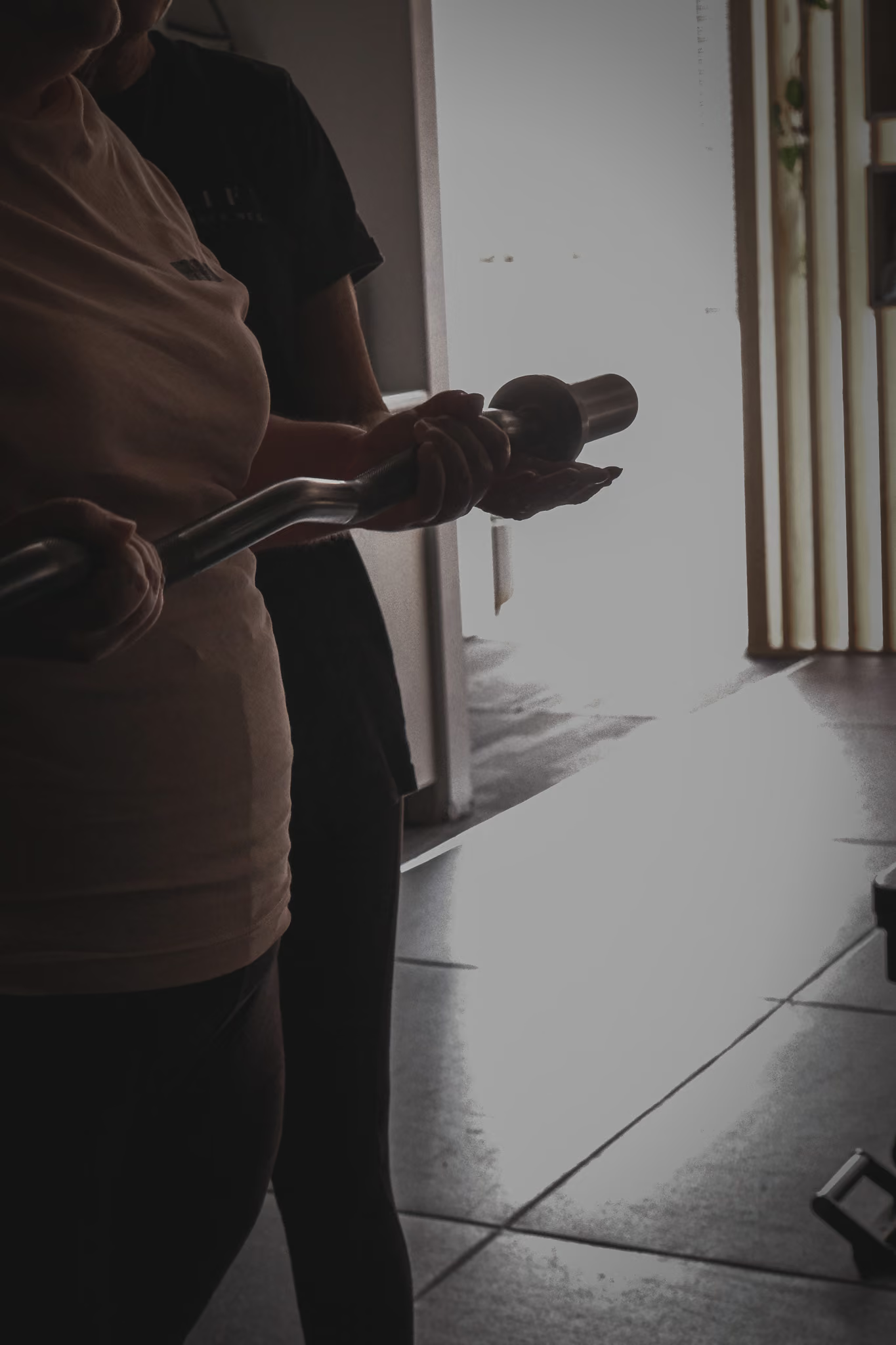
Evidence suggests 15 to 40 per cent of the weight lost can come from lean tissue, including muscle. Muscle drives your strength, mobility and blood sugar control. Lose too much and everyday tasks get harder, and the risk of frailty and falls goes up, especially as we age.
Our approach
Mindset, Movement, Motivation
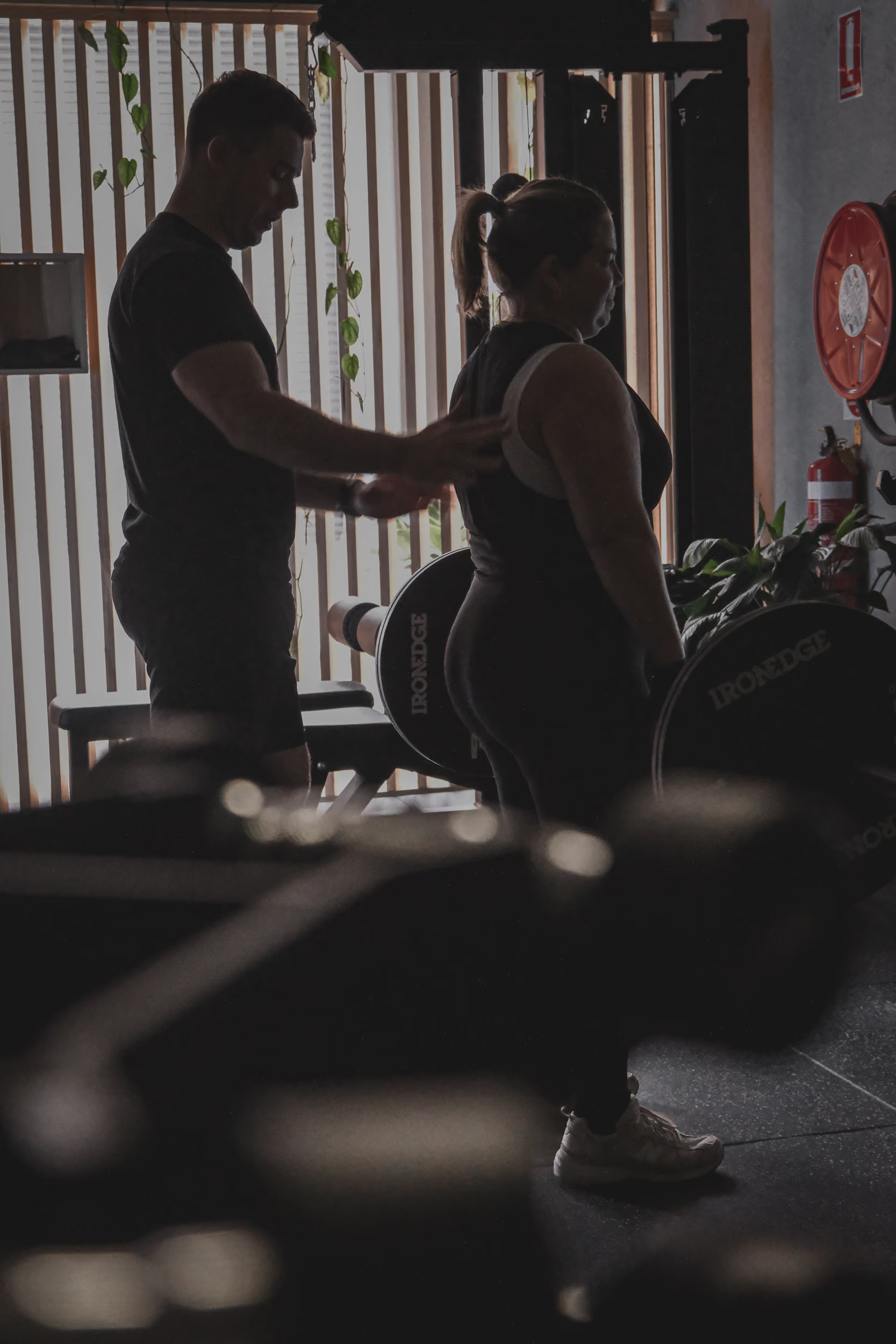
Medication changes your appetite. It doesn't build strength or habits. Our Accredited Exercise Physiologists prescribe strength focused exercise to protect your muscle, and help you build routines that hold up if your dose is reduced or you come off the medication.
What to expect
Not guesswork. A program built around you.
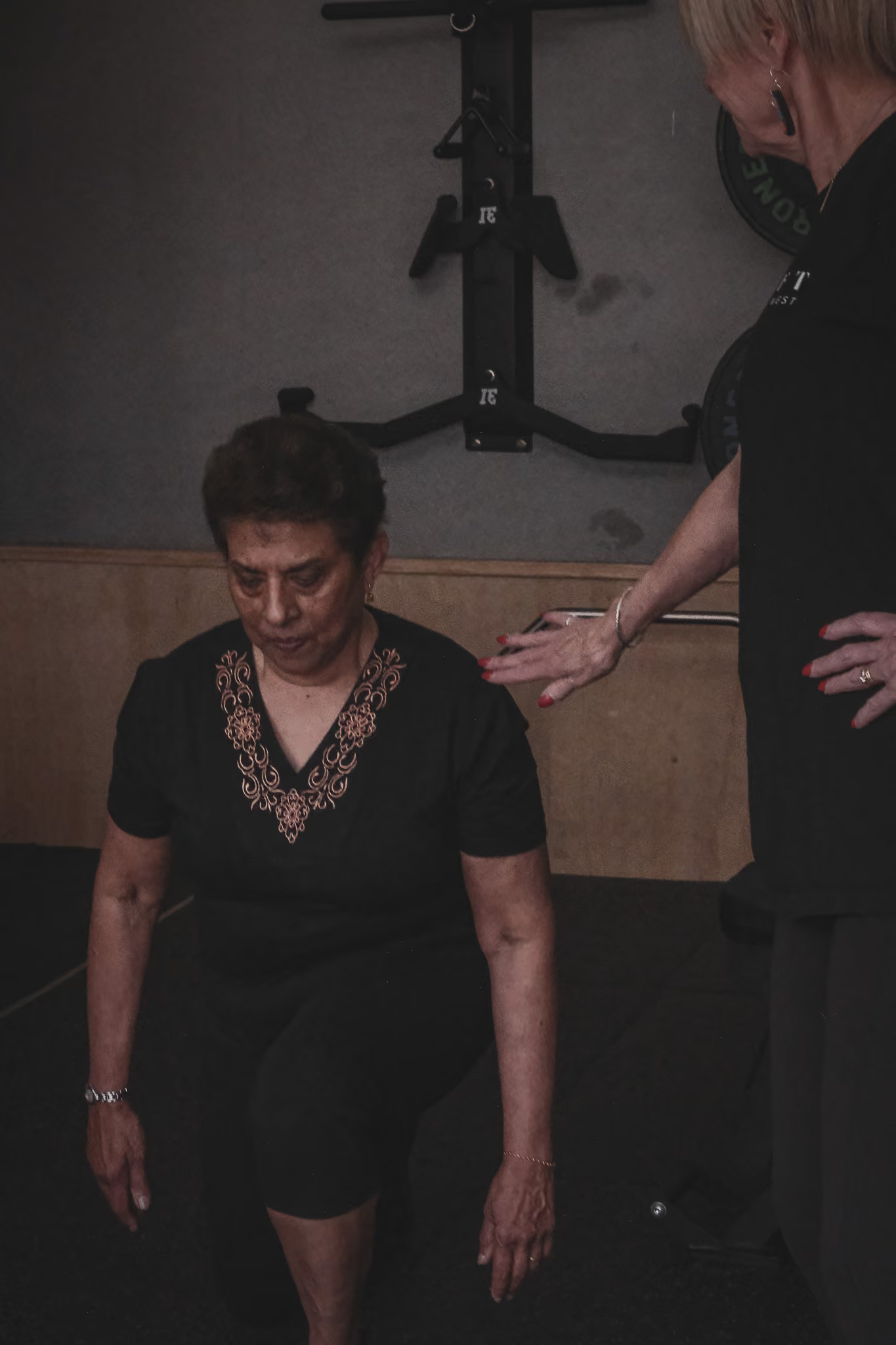
We start with an initial assessment of your health history, strength, mobility and goals, and how you're tolerating your medication. Then you train in supervised 1:1 or small group sessions, with regular reassessments so we can track your strength, not just the scales.

Cost & rebates
Current options, and where things are heading
Today, if you have a chronic condition, your GP may set up a Chronic Condition Management Plan (CCMP), giving Medicare rebates for up to five allied health visits a year, shared across all providers.
Many extras policies also cover Exercise Physiology. Check with your health fund for coverage.
Why an Exercise Physiologist?
Exercise & Sports Science Australia recommends structured, individually prescribed exercise as a core part of GLP-1 treatment, not an optional extra. Accredited Exercise Physiologists are university qualified to adjust your program around fatigue, other conditions and medications, and to monitor your strength and function as you go.



Your next step
Whether you're starting a GLP-1, already on one or coming off it, now is the right time to look after your muscle. Book an initial assessment and we'll build a plan around you, alongside your GP and dietitian.
On funding: in September 2026, ESSA and Dietitians Australia jointly called for PBS subsidised GLP-1 treatment to come with funded access to Exercise Physiologists and dietitians, up to 12 services in the first year. This is the current state of thinking, not something available yet. We'll update this page if anything changes.
A studio for calm training
12/76B Edinburgh Rd,
Marrickville NSW 2204
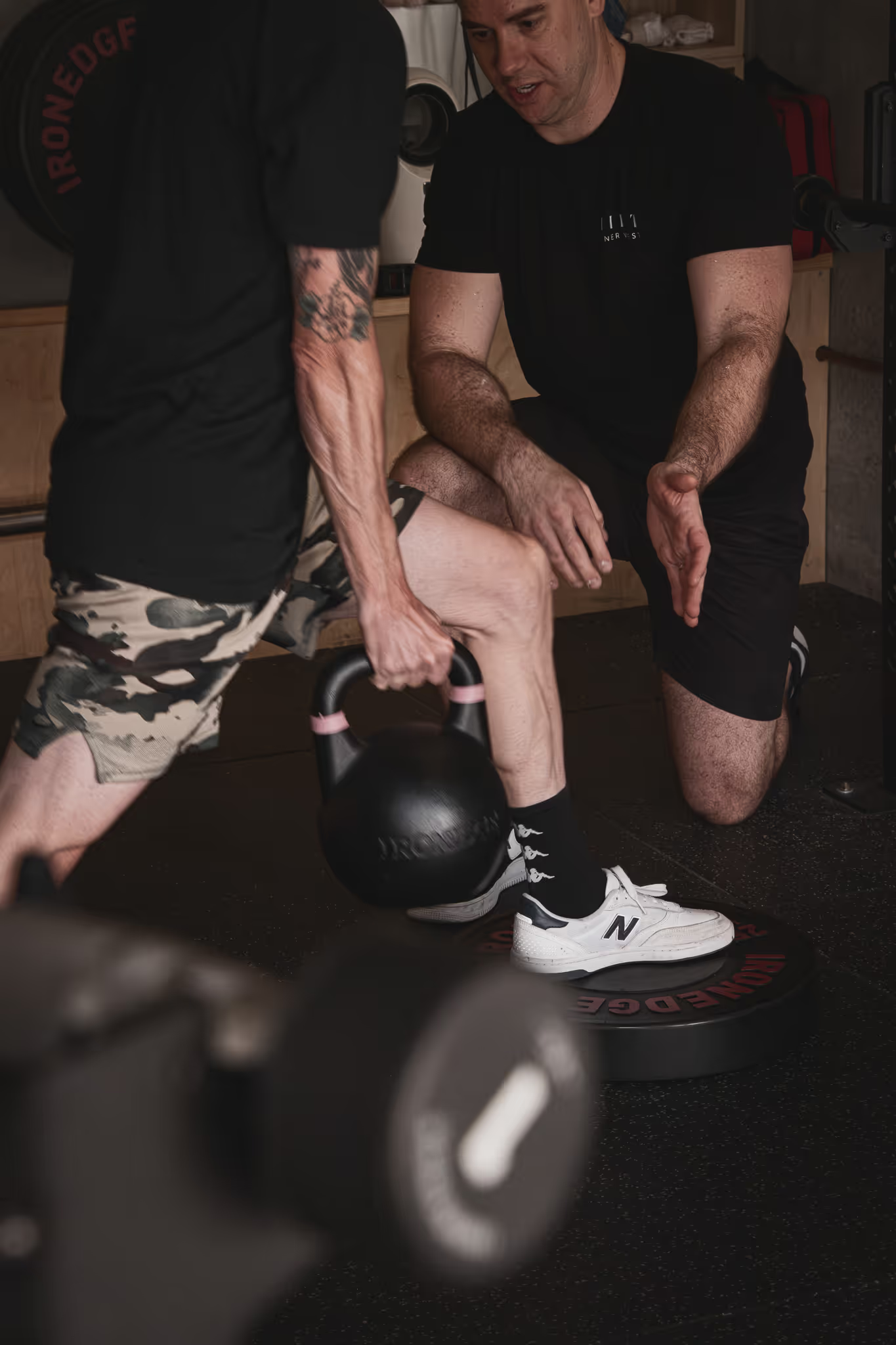
View MapNo queues for equipment. No distractions. Just you, your EP, and the tools you need to get back to your best. Our Marrickville studio is purpose-built for focused, one-on-one exercise sessions.






Common Questions
Filter by topic or search for a keyword. Can't find your answer? Get in touch below.
GET STARTED
Book a consult
A free phone call is the easiest first step.
We'll talk through where you're at, what you're working towards, and whether a personal trainer or an exercise physiologist is the right fit.
No pressure, no commitment.
— Free initial phone call
— No lock-in contracts
— Medicare, DVA & NDIS eligible
Still have questions?
Questions about
Personal Training?
Questions about
Exercise Physiology?